
The UK Government has announced a consultation aimed at reducing red tape for electric vehicle owners — a potential ev chargers England regulation change that could make it dramatically easier for people without a driveway to charge their vehicles at home. While not yet confirmed, these proposals signal an important shift that could reshape how EV drivers access affordable home charging.
The consultation explores simplifying planning rules, cutting costs, and approving new types of safe cross-pavement solutions so more households can benefit from reliable home charging. This article outlines what the uk driveway EV charger rule change could mean if adopted, and how it may influence EV charger installation across England.
Understanding the Proposed UK Driveway EV Charger Rule Change
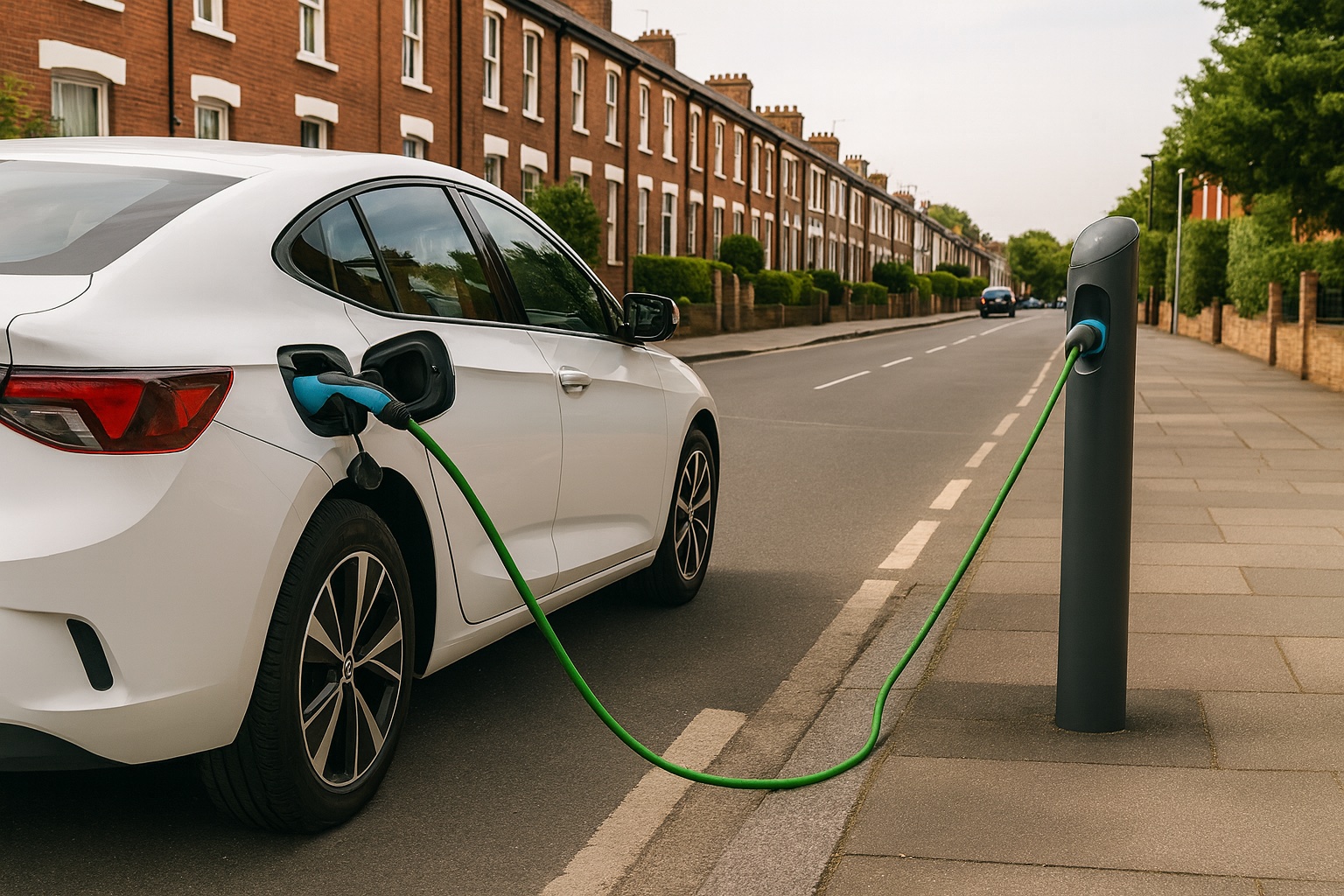
Currently, homeowners who do not have a driveway often face planning restrictions when attempting to run a cross-pavement charging cable or install kerbside charging infrastructure. This has created a major barrier for millions of urban residents who wish to switch to an electric vehicle.
The Government’s consultation proposes:
- Removing the need for planning permission for certain types of cross-pavement charging solutions
- Reducing application fees, which can currently total as much as £250
- Improving consistency between councils so rules are clearer and easier to navigate
- Supporting safer, standardised cable gully or mat solutions designed to prevent trip hazards
- Giving more households access to cheaper domestic electricity rates for EV charging
If these reforms go ahead, they could significantly lower costs and remove the administrative barriers currently preventing many households from adopting EVs.
What Would These Changes Mean for Home EV Charger Installations?
1. Home Charging Becomes Realistic for Drivers Without a Driveway
If the ev chargers England regulation change is approved, residents who rely on on-street parking may finally gain access to practical, safe and affordable home charging options. This would remove one of the biggest obstacles to EV ownership in towns and cities and would could reduce the cost of having a home charger installed.
2. Reduced Costs and Faster Approvals
By removing the planning permission requirement and associated fees, installations could become:
- Cheaper — households may save up to £250
- Quicker — reducing weeks of waiting time
- Simpler — councils would operate with clearer and streamlined guidance
This would help more drivers transition from expensive public charging networks to low-cost home charging.
3. Better Integration With Smart Charging Technology
If more households can install chargers at home, smart charging becomes even more valuable.
Smart charging allows EV owners to:
- Automatically charge during off-peak times
- Reduce strain on the electricity grid
- Lower charging costs through optimised schedules
- Track energy usage and manage charging more effectively
Wider access to home charging would help support the UK’s broader smart energy ambitions.
How Installers May Benefit From the Proposed Regulation Change
If approved, EV charger installers could see:
- A significant increase in demand from households previously unable to install chargers
- Clearer guidance on permitted pavement crossing solutions
- Reduced need to navigate complex planning processes on behalf of customers
This would ultimately make the EV transition smoother for both installers and consumers across England.
Frequently Asked Questions (FAQ)
1. Are these changes confirmed?
No. The Government is currently consulting on the proposals. Any ev chargers England regulation change will only take effect after the consultation period and formal approval.
2. Who would benefit the most from the proposed rules?
Households without a driveway, particularly those in urban areas who rely on on-street parking.
3. Would these changes remove all planning requirements?
Not entirely. The consultation proposes removing planning barriers for specific types of cross-pavement charging solutions. Final rules may vary depending on safety standards and local authority guidance.
4. Will the rule change reduce installation costs?
Potentially, yes. Removing planning permission and application fees could reduce costs by up to £250, depending on the council’s current charges.
5. How would this affect smart charging?
Greater access to home charging means more households could benefit from smart charging, enabling cheaper off-peak rates and improved charging efficiency.
6. When will a final decision be made?
The Government will publish the outcome of the consultation once feedback has been reviewed. Timelines have not yet been confirmed.
While still under consultation, the ev chargers England regulation change could represent one of the most impactful shifts in EV charging policy to date. By simplifying rules and lowering costs for those without driveways, the UK could accelerate EV adoption and improve access to affordable home charging.
If the proposals move forward, thousands of households could soon explore installing home chargers for the first time — making smart, low-cost EV charging available to far more drivers.